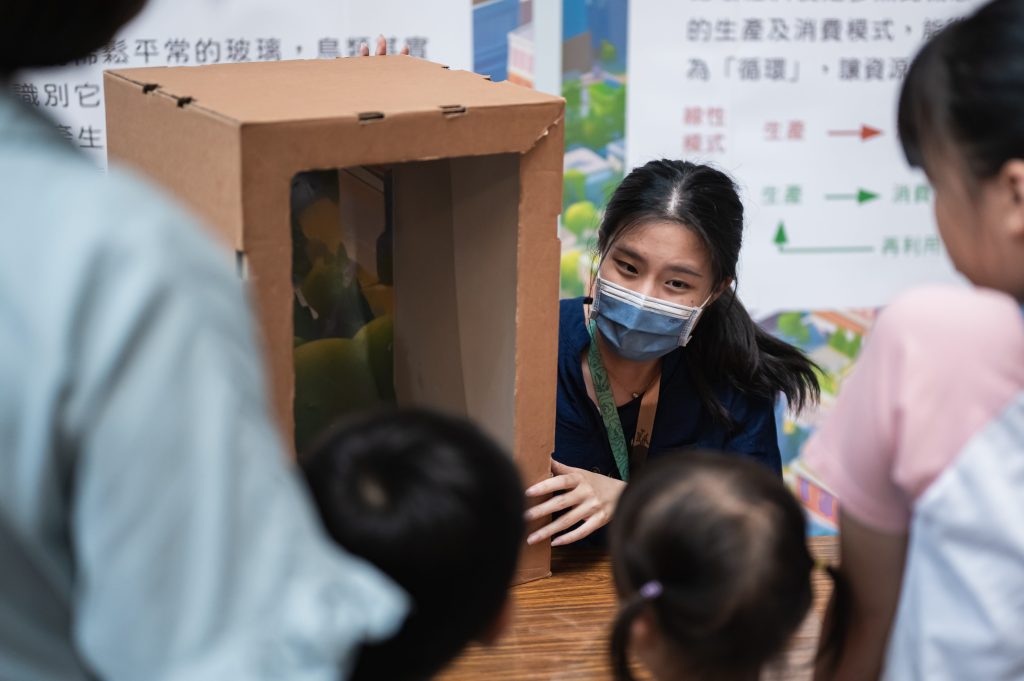
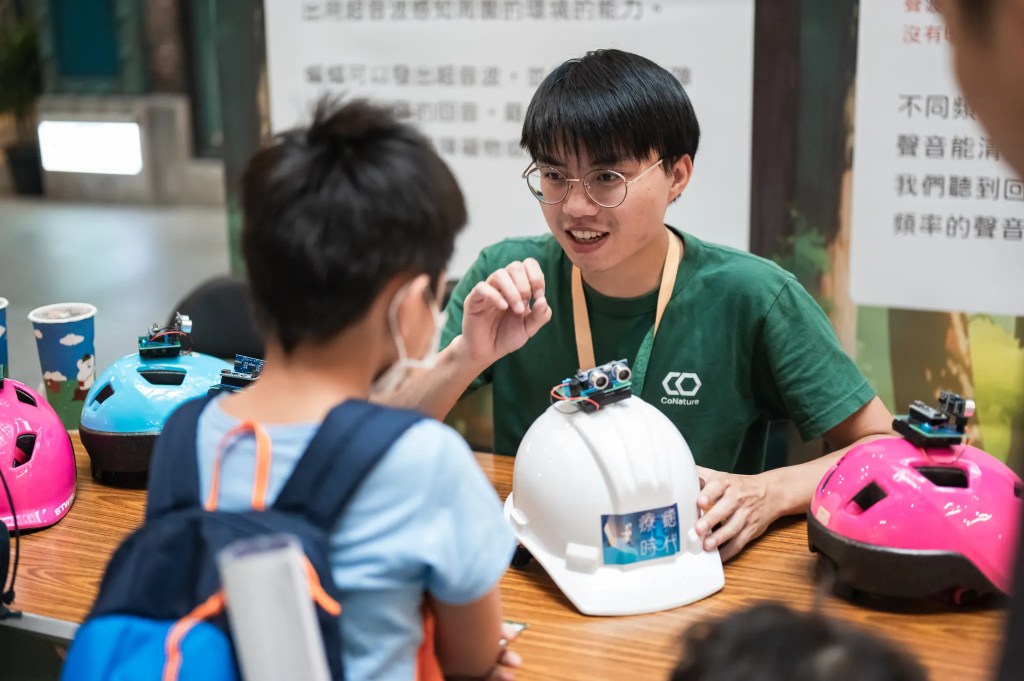
Learning Experience:
“Coco on a Mission” Biomimicry Workshops and Exhibition
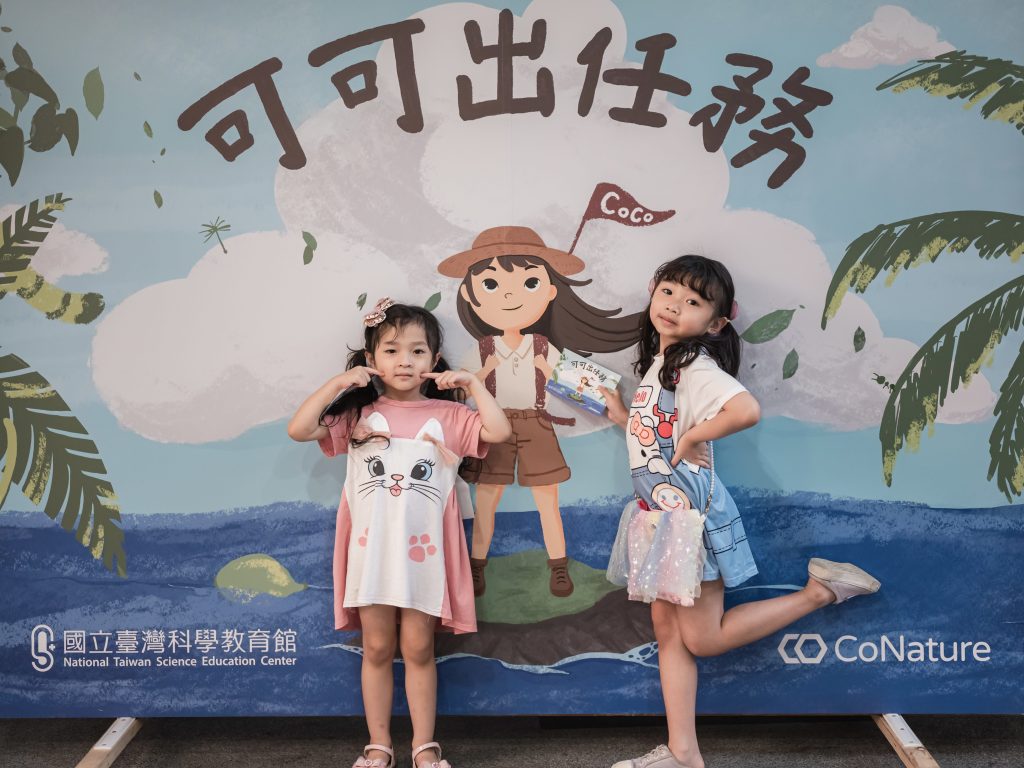
↑ Participants posing with the key visual I illustrated
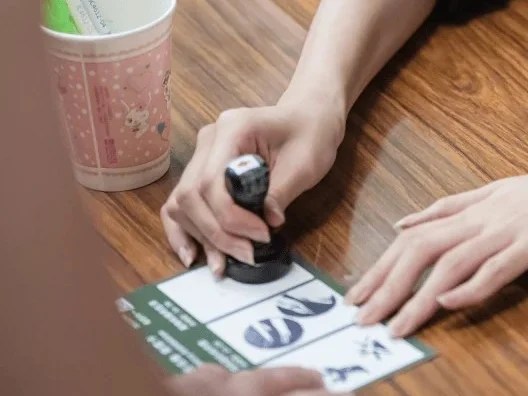
↑ I Designed stamps to reinforce learning visually.
Workshops and Exhibition Dates
Workshop 1: July 09, 2023 (37 parent-child pairs)
Workshop 2: July 23, 2023 (45 parent-child pairs)
Workshop 3: Aug 06, 2023 (23 parent-child pairs)
Exhibition: Aug 20, 2023 (185+ parent-child pairs)
Project Background
During my internship at the National Taiwan Science Education Center (NTSEC), I initiated a collaboration with CoNature, a student-led biomimicry design group I co-founded. By bringing together our team’s expertise and the museum’s permanent biology exhibits, I helped create a bridge between scientific knowledge and engaging visitor experiences.
In just two months, this collaboration brought to life three interactive workshops and a pop-up exhibition. Through storytelling and hands-on activities, we made biomimicry engaging and sparked children’s curiosity about nature-inspired design.
My Roles
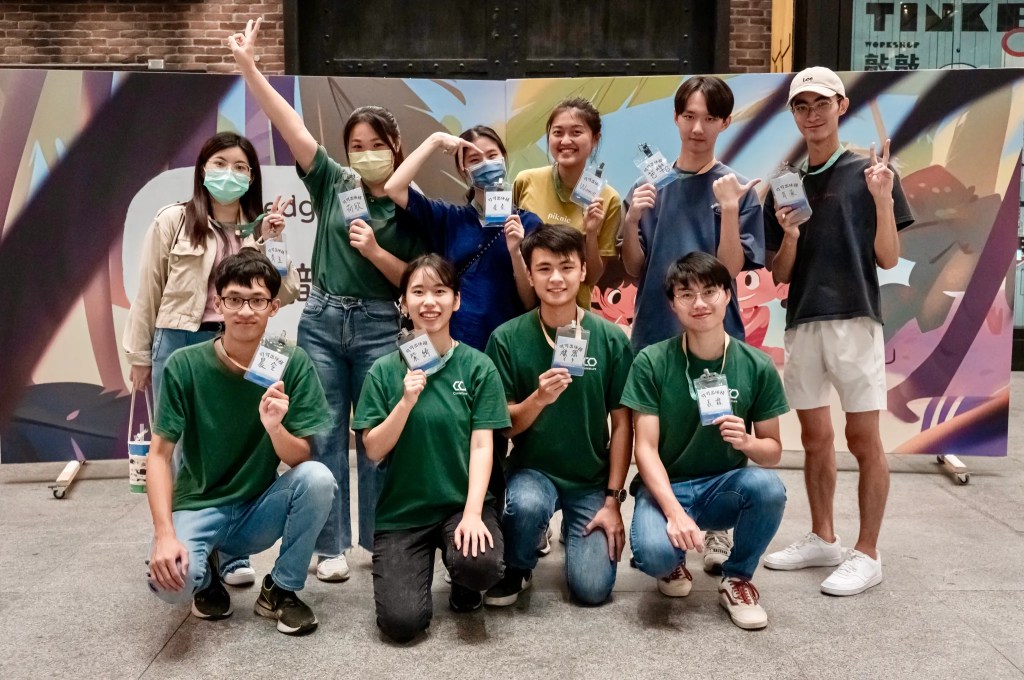
◆ Creative Producer: Collaborated with the National Taiwan Science Education Center, and led a 10-person interdisciplinary team from planning to on-site execution.
◆ Experience Designer: Translated learning goals into interactive experiences based on children’s interests.
◆ Illustrator: Created the picture book “Coco on a Mission” and designed the visual identity for each activity station.
◆ Workshop Instructor: Used an engaging, child-friendly tone to spark curiosity and encourage participation.
Project Challenge
How might we turn biomimicry into an engaging, hands-on adventure for children aged 4–7?
Design Process & Highlights
01 — Start With the Goal
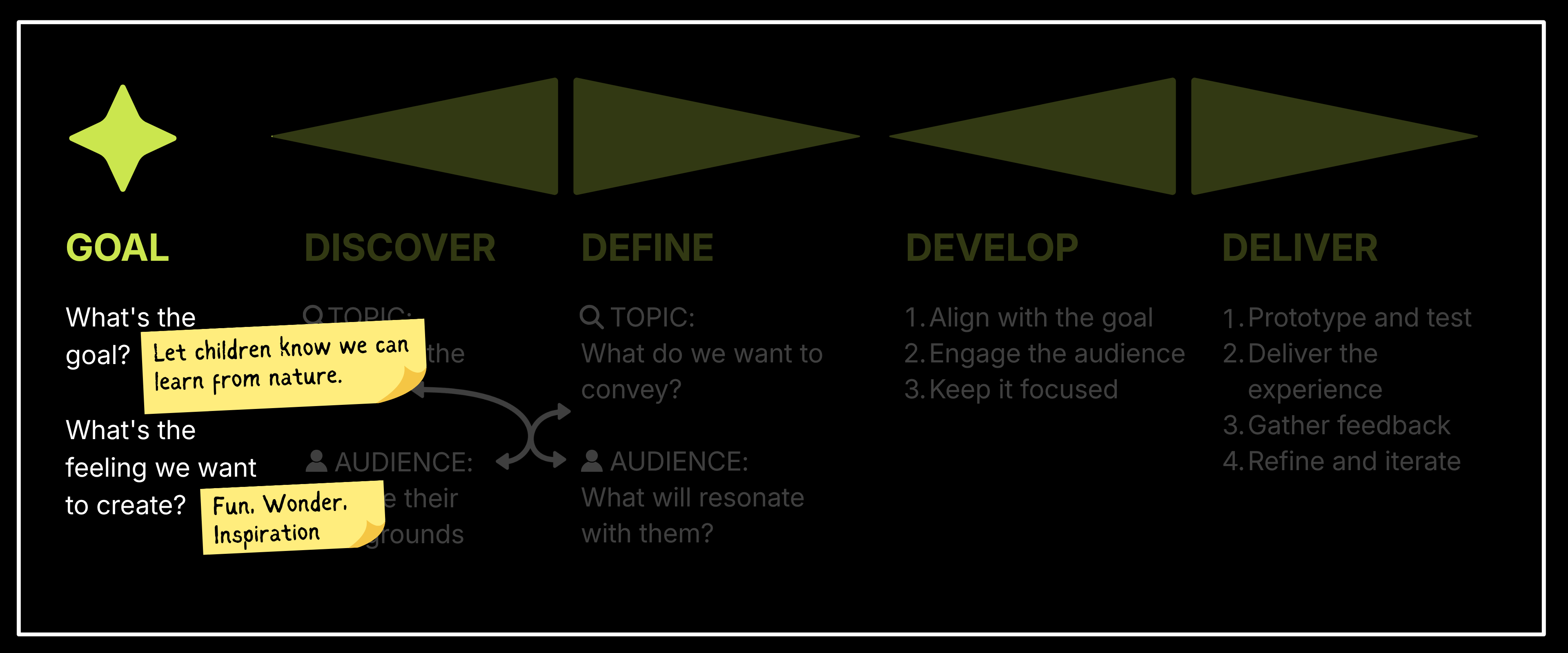
The project brief was open-ended: we could develop any biomimicry-related activity that brought the museum’s exhibitions to life.
To give the project a clearer direction, I defined the learning goal: Help children discover what we can learn from nature. I also identified three feelings I wanted the experience to evoke: fun, wonder, and inspiration, reflecting the sense of discovery that nature and biomimicry can inspire.
02 — Bridge Knowledge and the Learner
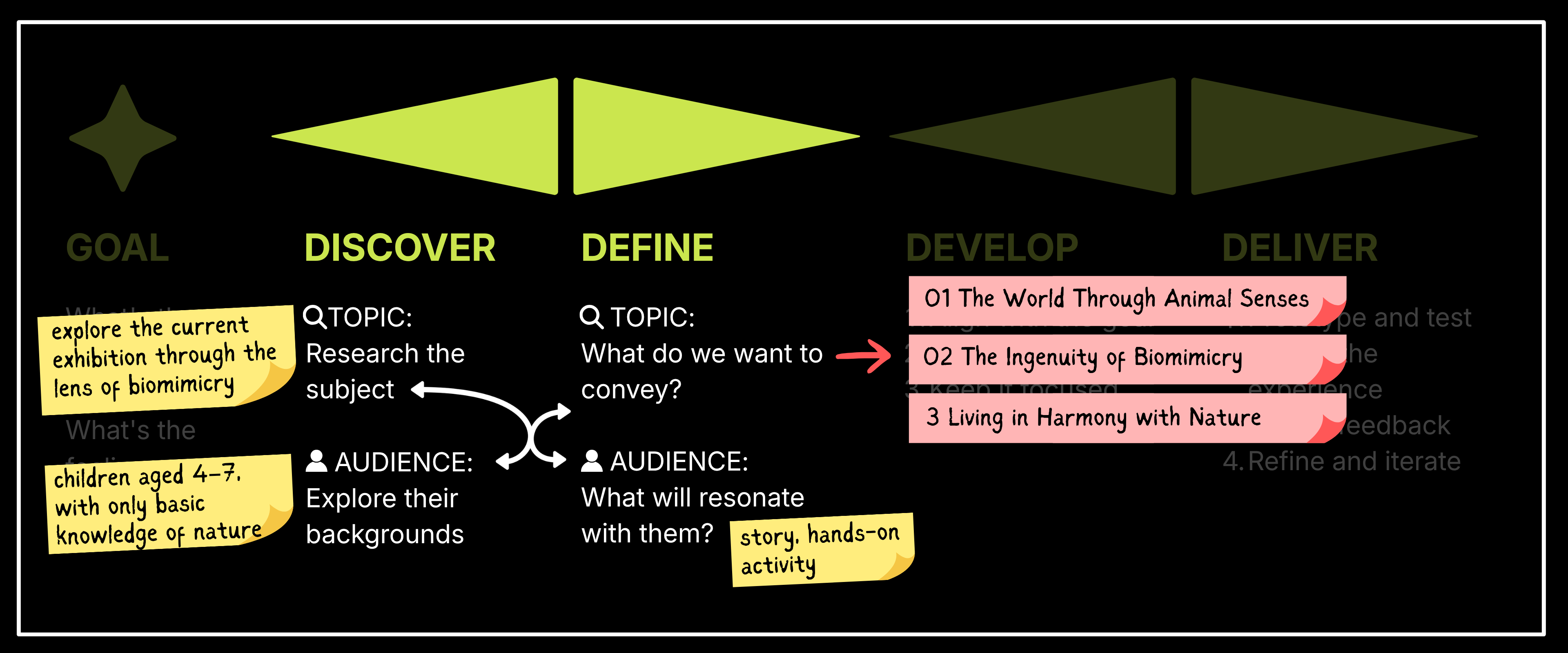
The next challenge was figuring out how to communicate scientific concepts to young children.
I began by exploring the museum’s biodiversity exhibition through the lens of biomimicry. This exploration led to three themes: The World Through Animal Senses, The Ingenuity of Biomimicry, and Living in Harmony with Nature. Together, they shaped the learning experiences and supported the project’s central goal: helping children discover what we can learn from nature.
With the themes established, I turned to the question of how to deliver the learning experiences. Drawing on my observations during my museum internship, I developed three design strategies.
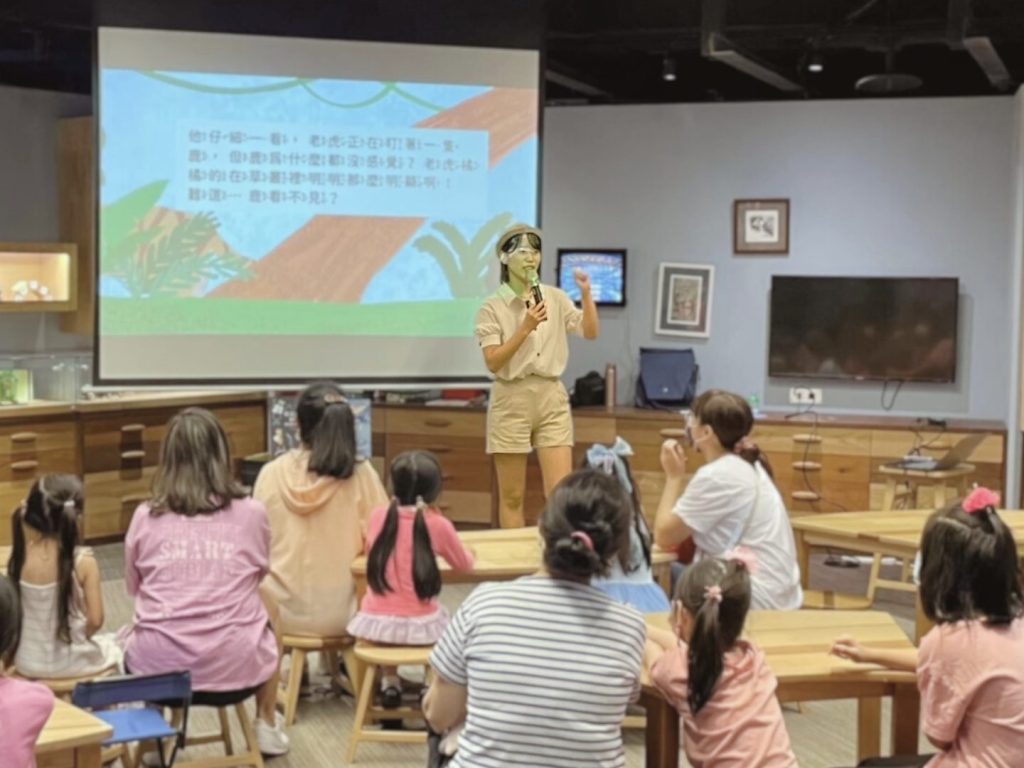
Highlight 1: Spark Curiosity Through Storytelling
I wrote and illustrated Coco on a Mission, a picture book exploring environmental issues and biomimicry. Its story connected three workshops, while presentations and hands-on activities helped children relate the narrative to real-world concepts.
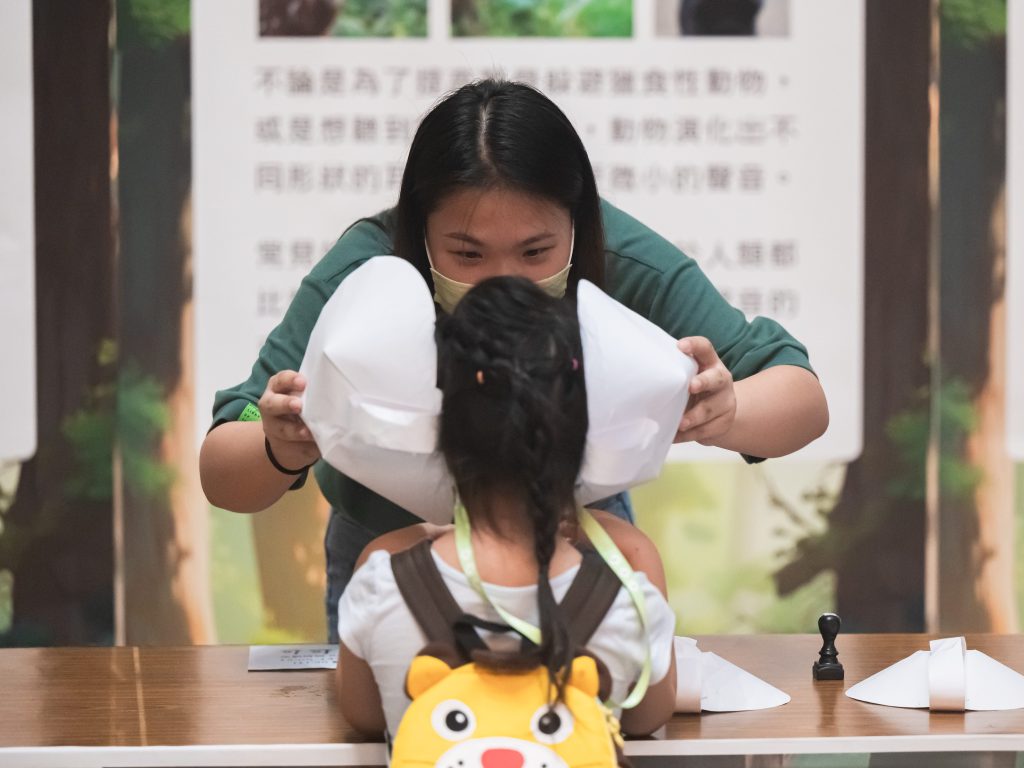
Highlight 2: Turn Learning into Hands-On Exploration
I incorporated hands-on activities into every workshop and exhibition station, allowing children to learn through experimentation. Across the first six workshop sessions, more than 80% of responses identifying the most memorable part of the experience mentioned or illustrated the DIY activities.
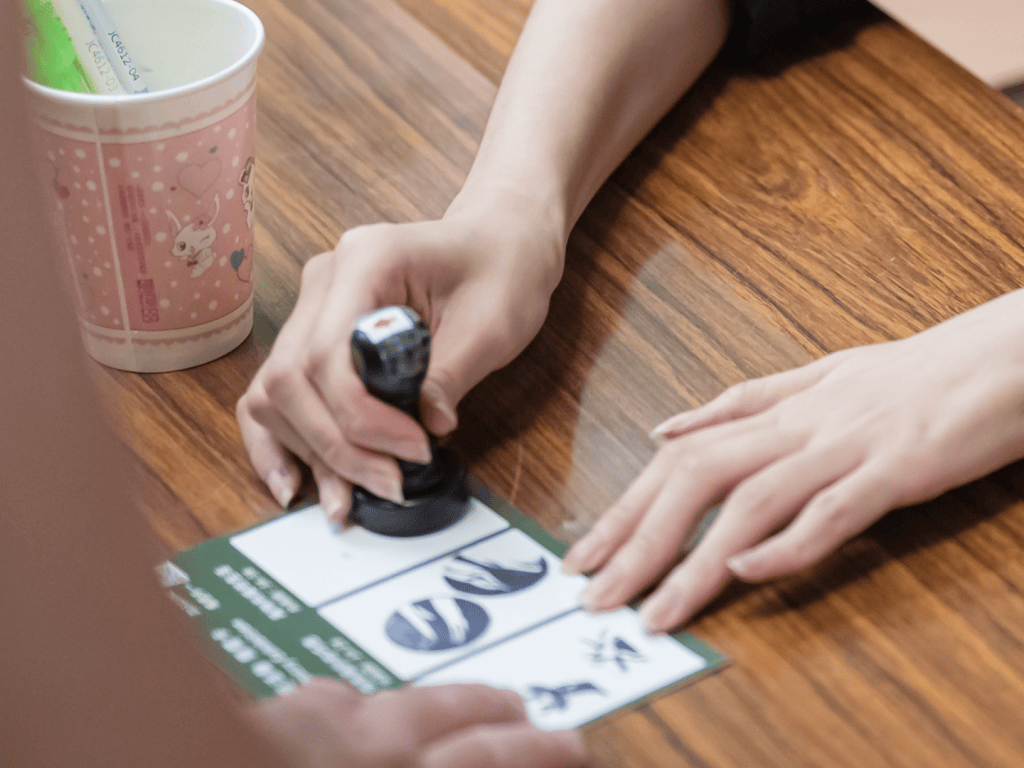
Highlight 3: Speak the Child’s Language
To support preschoolers with developing literacy skills, I designed unique stamps to represent each station’s key concepts.
Children collected stamps instead of writing answers. I later observed a child using them to share what he had learned with his mother, showing how visual cues supported learning recall and communication.
03 — Develop & Deliver the Activities
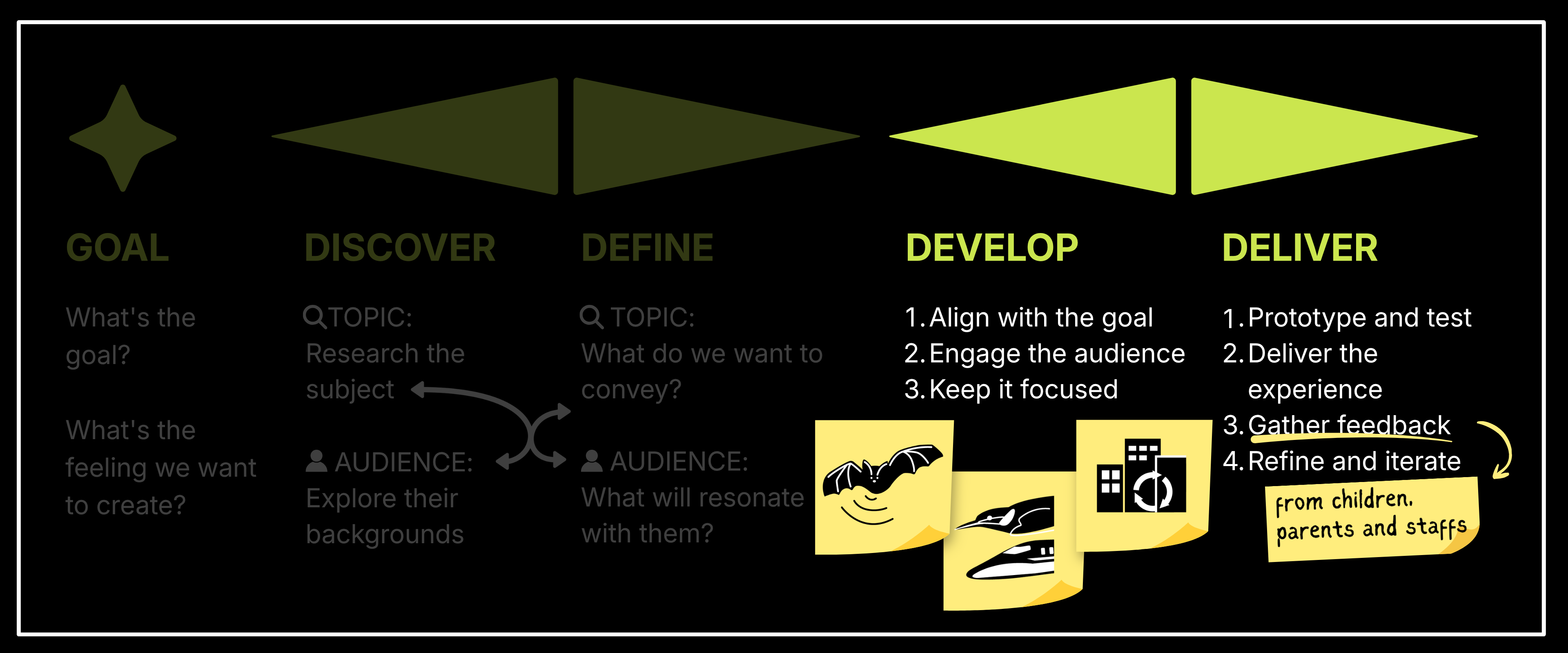
Building on these strategies, my team and I translated the three themes into workshops and interactive exhibition stations. Here are three examples of how we transformed scientific concepts into hands-on experiences.
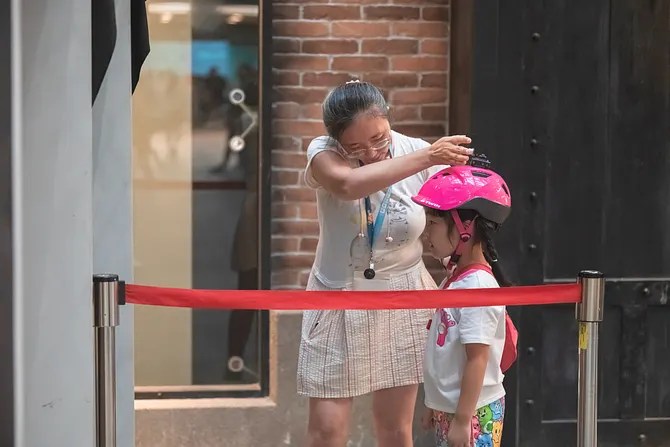
The World Through Animal Senses — Bat Echolocation
Learning goal: Understand how bats use echolocation.
Children wore helmets equipped with distance sensors and navigated a fabric-curtain tunnel with their eyes closed. Changes in sound frequency helped them sense nearby obstacles. Two routes at different heights accommodated children and adults.
The Ingenuity of Biomimicry — Kingfisher & Bullet Train
Learning goal: Discover how engineers draw inspiration from nature to solve design challenges.
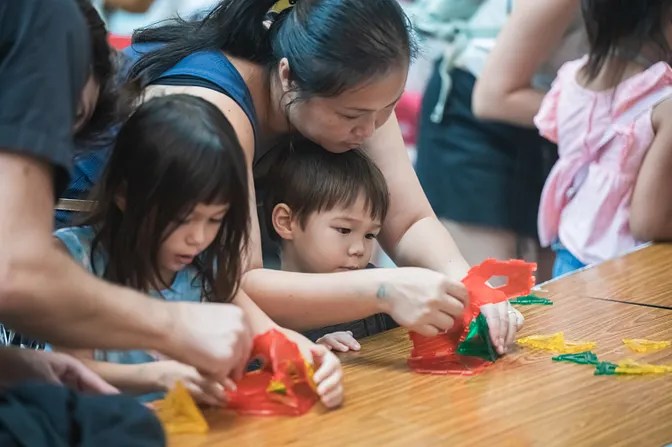
After learning how the kingfisher’s beak inspired the Shinkansen’s nose design, children used flat building blocks to create shapes that produced the smallest splash when entering water, testing and refining their designs through experimentation.
Living in Harmony with Nature — Circular Economy
Learning goal: Explore how resources can be reused.
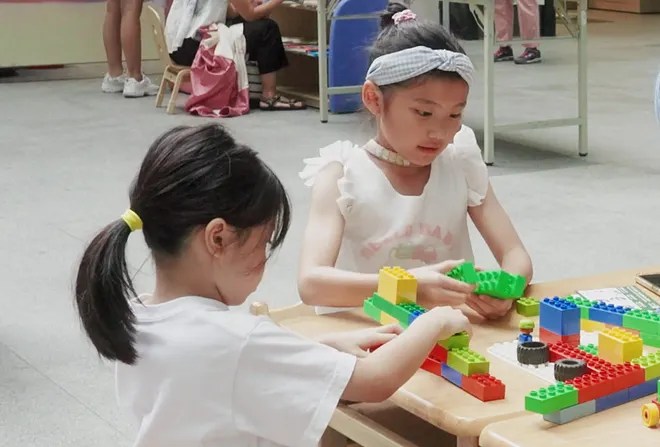
To make the abstract concept of a circular economy tangible, we challenged children to dismantle existing block structures and use the same materials to build something new, demonstrating how resources can be reused rather than discarded.
Participant Satisfaction and Feedback
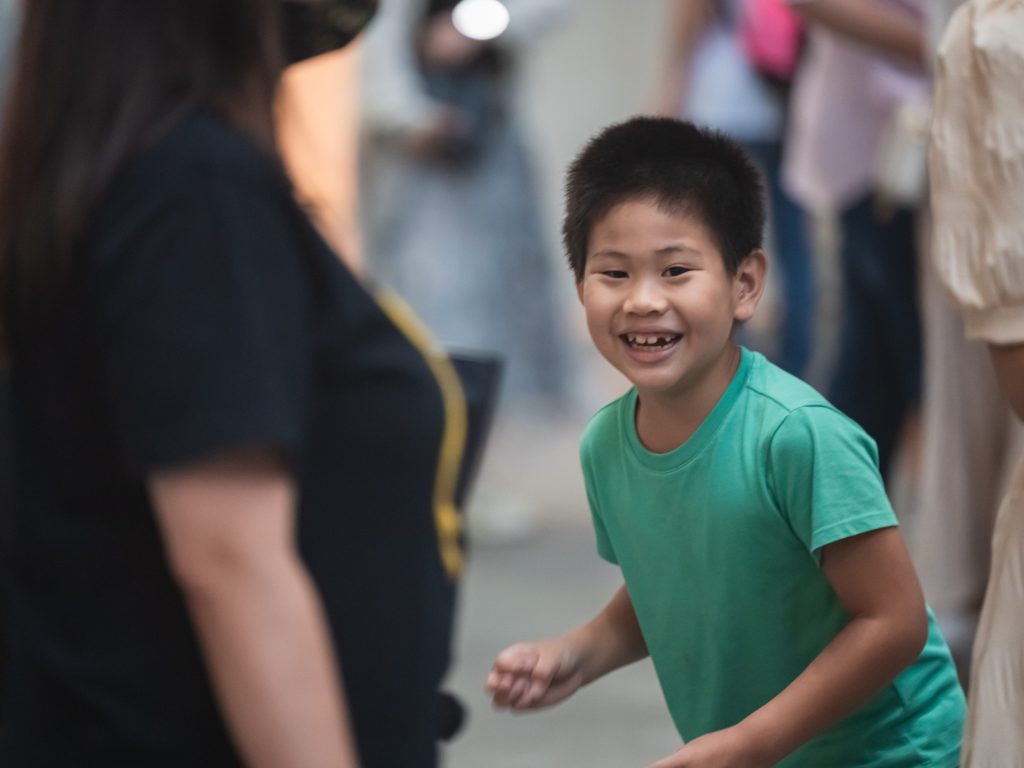
The workshop’s young participants gave an average satisfaction score of 86 out of 100, highlighting the hands-on activities and storytelling as their favorite parts.
Visitors to the exhibition gave a Net Promoter Score (NPS) of 83. Here are some comments from parents:
“Fun and educational for both kids and parents!” — kk, Parent
“Engaging activities that make science exciting.” — Tiffany, Parent
“Well-designed and perfect for young learners.” — Burberry, Parent
Afterword & Special Thanks
Reflecting on this journey, I am incredibly grateful for the unwavering support of my wonderful team. Their dedication, eagerness to step forward, and genuine enthusiasm in sharing the wonders of biomimicry with the children truly made all the difference. This project simply wouldn’t have been possible without each and every one of them.